


Germany, long celebrated for its engineering excellence and economic discipline, is undergoing one of its most significant strategic transformations in recent history. For decades, the country maintained a cautious approach to defense spending and infrastructure renewal. But as geopolitical tensions rise and Europe seeks greater self-reliance, Berlin is rebalancing its priorities.
This shift isn’t merely a reaction to global instability — it’s a deliberate long-term strategy to strengthen national resilience and maintain Germany’s leadership role within the European Union.
The Turning Point: Lessons from a Changing World
The catalyst for Germany’s policy evolution lies in a rapidly changing global environment. The war in Ukraine, disruptions in global supply chains, and the growing influence of new defense technologies have collectively reshaped Europe’s security mindset.
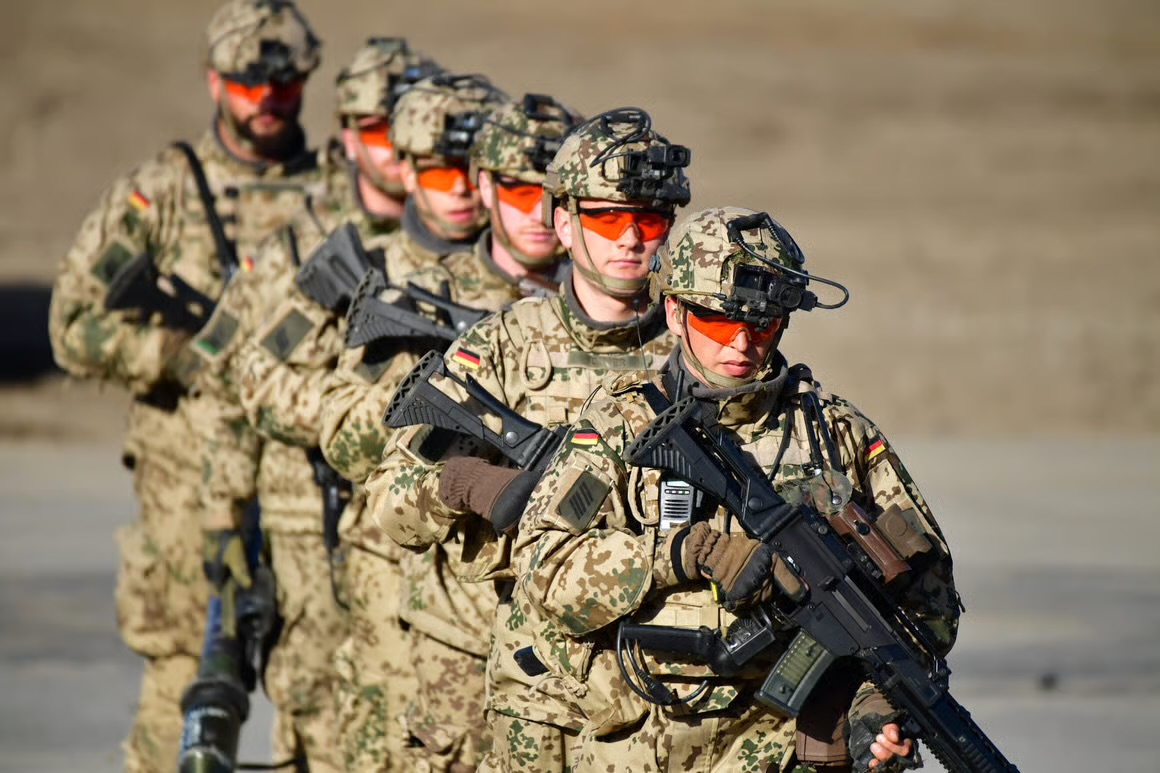
For years, Germany faced criticism for underinvesting in its armed forces. But with the announcement of a €100 billion defense modernization fund, Chancellor-led reforms have signaled a clear departure from past restraint.
In parallel, Berlin is also pursuing massive infrastructure investments — from high-speed rail networks and smart logistics corridors to digital connectivity and renewable energy grids. Together, these moves reflect a vision of national renewal anchored in both security and sustainability.
Defense Modernization: A New Era for the Bundeswehr
The transformation of Germany’s defense sector is not just about spending more — it’s about spending smarter.
Key priorities include:
Modern Equipment Procurement: Upgrading outdated systems with advanced air defense, cyber warfare units, and precision technology. European Defense Cooperation: Strengthening partnerships with France, the UK, and NATO allies to ensure interoperability and collective readiness. Defense Industry Innovation: Incentivizing local manufacturers and research institutions to develop next-generation military technologies within Germany’s borders.
This renewed focus represents a cultural shift as much as a strategic one — a recognition that peace and stability depend on credible deterrence.
Infrastructure: The Foundation of Economic Security
Parallel to defense reform, Germany has launched what some analysts call a “second Wirtschaftswunder” — a new economic miracle focused on infrastructure revival.
After years of underinvestment, the government is targeting critical areas such as:
Transportation: Expanding high-speed rail networks and modernizing highways to support freight efficiency. Digitalization: Rolling out nationwide 5G and fiber-optic coverage to close regional digital gaps. Green Energy Transition: Building hydrogen hubs and renewable energy corridors that align with the EU’s climate goals.
These efforts not only improve productivity but also enhance Germany’s economic security — ensuring that the nation’s critical systems remain resilient in times of crisis.
Balancing Defense and Development
What makes this strategic shift remarkable is Germany’s balanced approach. Rather than choosing between guns or butter, Berlin is pursuing a dual path — strengthening defense while advancing infrastructure to sustain long-term growth.
This model could redefine European strategic autonomy, showing that robust defense and sustainable development can coexist. It also reinforces Germany’s role as both a protector and an innovator within Europe’s evolving geopolitical order.
Global and European Implications
Germany’s reorientation carries ripple effects beyond its borders.
For European partners, it signals renewed commitment to shared security responsibilities. For global investors, it highlights confidence in long-term stability and technological advancement.
By aligning its defense modernization with its infrastructure agenda, Germany is setting an example of comprehensive resilience — one that other nations may soon follow.
Conclusion: A Future Built on Strength and Stability
Germany’s strategic shift marks a decisive turning point. By prioritizing both defense and infrastructure, the nation is building the foundations of a more secure, innovative, and sustainable Europe.
This transformation shows that leadership in the 21st century is no longer just about economic might — it’s about preparedness, adaptability, and vision.
As Germany invests in both protection and progress, it is, once again, shaping the course of Europe’s future.