



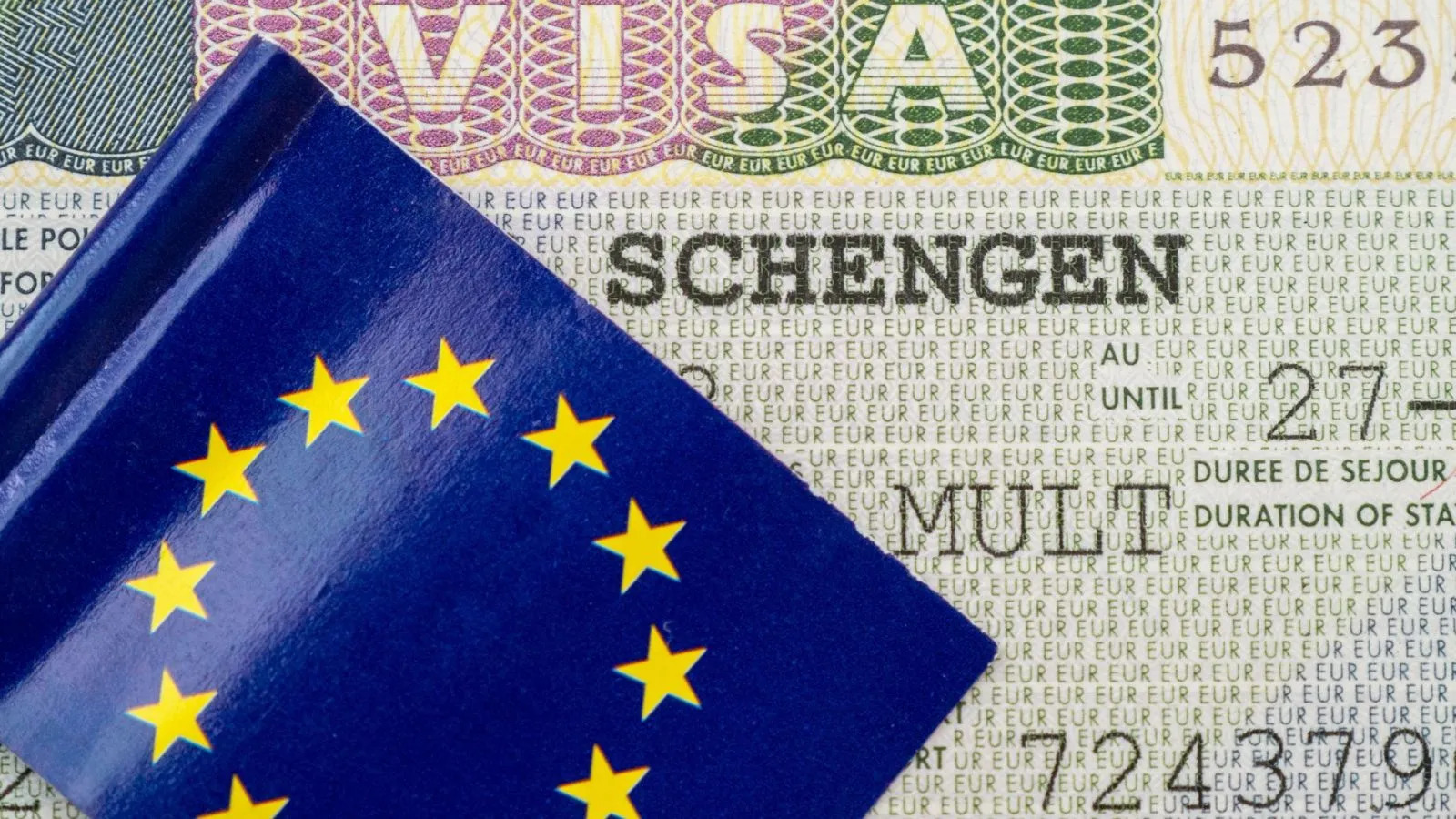
Applying for a Schengen visa can feel daunting. For many applicants, months of preparation, document gathering, and financial planning are all contingent on the decision of a visa officer. Despite careful planning, rejections are common, leaving applicants frustrated and uncertain. A rare Reddit AMA with a career Schengen visa officer—reportedly processing up to 200 applications per day—offers candid insights into why applications are denied and how they can be strengthened. Understanding these factors can dramatically improve your chances of approval.
The Most Common Reason: Weak Ties to the Home Country
According to the officer, the primary reason visas are rejected is a perceived lack of strong ties to the applicant’s home country. If the officer is “not 100% sure” that an applicant will return, the visa is unlikely to be granted.
Ties that indicate return intent are varied but clear. They include:
-
Property ownership: Demonstrating investment in real estate signals stability and roots in your home country.
-
Stable employment: A permanent or well-compensated job indicates that you have responsibilities and obligations to return for.
-
Family responsibilities: Care for children, elderly parents, or other dependents demonstrates commitment to home.
-
Business ownership or active ventures: Entrepreneurs with operational businesses are less likely to overstay.
Applicants lacking evidence of these ties are automatically considered higher risk. Even if the rest of the application is flawless, perceived instability in home life or finances can lead to rejection.
Common Red Flags That Lead to Rejection
While insufficient home ties are the most cited reason, other factors frequently contribute to visa denials. Being aware of these pitfalls can help applicants proactively address potential weaknesses.
Fake or Unverifiable Bookings
Many applicants submit flight and hotel reservations as part of their itinerary. Visa officers check these meticulously. Dummy bookings, generic online portal confirmations, or unverifiable reservations raise immediate concerns. For instance, a hotel voucher from a third-party booking platform may not suffice unless it can be cross-verified.
Financial Discrepancies
Applicants must demonstrate the ability to cover all travel costs. Bank statements should show consistent income, realistic savings, and no unexplained large deposits. Booking high-end hotels on minimal savings or presenting inconsistent spending patterns undermines credibility. Officers often compare proposed expenses with financial history; discrepancies are interpreted as potential fraud or lack of planning.
Incomplete or Inaccurate Documentation
Even small mistakes—mismatched dates, missing signatures, inconsistent personal information—can result in rejection. Submission of false or forged documents may lead to visa bans or long-term restrictions. Travel insurance documentation must fully comply with requirements, and all documents should adhere to the embassy’s checklist.
Travel Insurance Issues
Schengen visa rules require insurance covering a minimum of €30,000 for medical emergencies and repatriation. The policy must be valid across all Schengen countries and for the entire travel period. Missing, partial, or insufficient coverage is a common and preventable reason for denial.
Prior Visa or Immigration Violations
A record of overstaying, breaching visa conditions, or alerts in the Schengen Information System (SIS) can jeopardize approval. Even applicants with otherwise strong documentation may face rejection if their prior record shows risk for non-compliance.
Country of Origin and Passport Strength
Nationality indirectly influences decisions. Applicants from countries with higher rejection rates—often lower-income countries or regions with historically higher overstays—receive closer scrutiny. Officers weigh nationality alongside all other evidence to determine the likelihood of compliance.
Real-World Observations from Reddit
Visa consultants and applicants often corroborate these insights:
-
“Booking.com reservations … online portal reservations are one of the biggest reasons for rejection.” — Travel professional highlighting the risk of generic bookings
-
“It’s not just about submitting each document; it’s about the value and credibility of those documents.” — Redditor emphasizing financial transparency and document authenticity
These observations underline that success is not merely about submission but credibility, authenticity, and consistency.
Practical Steps to Strengthen Your Application
Based on officer insights, applicants can take tangible steps to mitigate risks and boost approval chances:
Home Ties
-
Provide documentation proving property ownership, stable employment, business ownership, or family responsibilities.
-
Include letters from employers confirming role, duration of employment, and leave approval for travel.
-
Include evidence of dependents or obligations that require your return.
Finances
-
Submit 3–6 months of consistent bank statements.
-
Explain any unusually large deposits to avoid suspicion.
-
Avoid discrepancies between financial history and proposed travel expenses.
Accommodation and Travel Plans
-
Use confirmed hotel vouchers from the hotel directly.
-
Prepare a realistic itinerary aligned with your finances.
-
Avoid overly ambitious or inconsistent travel schedules.
Travel Insurance
-
Ensure the policy is Schengen-compliant, with minimum €30,000 coverage.
-
Confirm the dates and territory coverage exactly match your travel plan.
Document Accuracy
-
Follow embassy checklists carefully.
-
Avoid errors and inconsistencies across forms.
-
Ensure all supporting documents are current and verifiable.
Addressing Past Rejections or Violations
-
Include detailed explanations and supporting documentation if you have previously been denied a visa or violated visa terms.
Cover Letters and Employer Letters
-
A strong cover letter outlining travel purpose, itinerary, and ties to your home country adds weight.
-
Employer or sponsor letters provide additional verification of employment and financial stability.
Case Examples and Lessons Learned
Case 1: Incomplete Financial Evidence
An applicant from Southeast Asia applied with bank statements showing intermittent deposits and attempted to book a luxury hotel. The application was denied due to perceived inconsistency between stated finances and planned expenses. Lesson: align your itinerary with verifiable financial capability.
Case 2: Generic Online Hotel Bookings
A European tourist visa applicant submitted only Booking.com vouchers without direct hotel confirmation. The officer flagged the reservations as unverifiable and denied the application. Lesson: always provide documentation that can be cross-checked by the embassy.
Case 3: Weak Home Ties
A young professional with no property, family obligations, or permanent employment attempted a three-week trip to Europe. Despite complete documentation otherwise, the visa was rejected. Lesson: the strongest predictor of approval is credible evidence of home-country commitments.
Case 4: Prior Visa Violations
An applicant with a prior Schengen overstay submitted an otherwise flawless application. The officer rejected the application due to past non-compliance, underscoring that history plays a critical role in decisions. Lesson: be transparent and provide explanations for any past issues.
Tips for First-Time Applicants
-
Start early to gather all documents, including financial, employment, and property records.
-
Prepare a realistic and verifiable itinerary that aligns with financial evidence.
-
Ensure travel insurance meets all Schengen requirements.
-
Maintain consistent and accurate records to avoid minor discrepancies.
-
If previously denied, provide full explanations with supporting evidence.
Final Takeaway
The single most critical factor in Schengen visa approval is demonstrating strong ties to your home country. Credible documentation and a consistent narrative matter more than sheer volume of forms. When combined with clear finances, realistic travel plans, valid insurance, and meticulous paperwork, these steps significantly increase the likelihood of approval.
Applicants who carefully follow these guidelines are best positioned to navigate the Schengen visa process successfully. While rejections are common, understanding the officer’s perspective and proactively addressing potential red flags can turn a complex and uncertain application into a smooth, successful experience.