

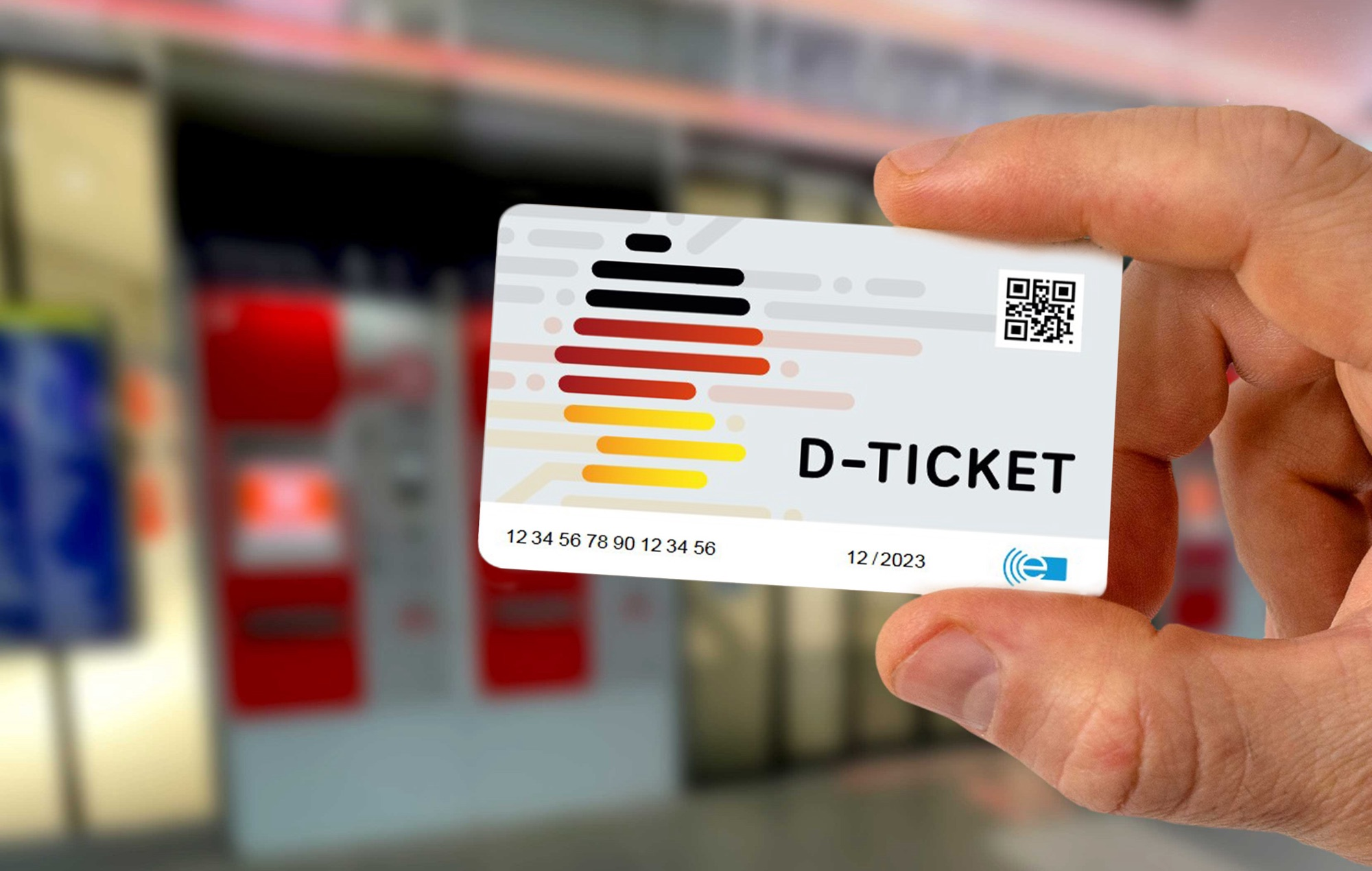
The Deutschlandticket, introduced in May 2023, represents one of Germany’s most ambitious public transport initiatives in decades. For a flat monthly fee—initially €49, rising to €58 in January 2025—subscribers enjoy unlimited travel across all local and regional transport networks. The program was designed to simplify travel, enhance affordability, and reduce private car usage, particularly in urban areas. Its popularity has been striking: within two years of launch, over 14 million Germans had subscribed, including a significant portion of expats and younger commuters.
Despite its success, the program faces considerable challenges. Its funding, based on an annual joint contribution of €3 billion (€1.5 bn each from federal and state governments), is only guaranteed through the end of 2025. Following the January 2025 price increase, subscriptions fell sharply from 14.5 million to 13.4 million, with users aged 14–29 experiencing a 36% drop. This demonstrates the ticket’s sensitivity to pricing changes and raises concerns about long-term inclusivity.
While a CDU/SPD working paper proposes maintaining the €58 price through 2026 with gradual increases starting in 2027, no formal agreement has been reached. States have made clear they will not increase their financial commitment, leaving the federal government responsible for any additional funding.
For expats and commuters, the Deutschlandticket is more than a convenience; it is a vital tool for daily mobility and budget planning. Its uncertain future highlights the urgent need for a sustainable funding model, equitable policy decisions, and strategic planning to preserve the program’s social, financial, and environmental benefits.
By December 2024, the program had achieved remarkable penetration, with 14.5 million subscribers. The demographic breakdown shows a strong uptake among:
-
Young adults (14–29 years): Initially a key target demographic, accounting for nearly 40% of total subscriptions.
-
Expats and international residents: The simplicity of a nationwide flat fare is particularly attractive to those navigating Germany’s complex regional systems.
-
Urban commuters: Residents of major cities such as Berlin, Hamburg, Munich, and Frankfurt who rely on multi-modal transport for daily work and study commutes.
Following the price adjustment to €58 in January 2025, subscriptions decreased to 13.4 million. While this 7.6% drop may appear modest, its impact on younger commuters has been profound: subscriptions among 14–29-year-olds fell by more than 36%, suggesting significant price sensitivity in this group.
This trend underscores the dual challenge policymakers face: maintaining financial sustainability without alienating the most mobile and environmentally-conscious segments of the population.
The financial underpinning of the Deutschlandticket has relied on a joint federal-state arrangement:
-
Federal contribution: €1.5 billion annually
-
State contribution: €1.5 billion annually
-
Total annual funding: €3 billion
This model allowed the program to offer a below-market fare while ensuring coverage across all participating transport networks. However, the arrangement is temporary, with funding commitments currently valid only through December 2025.
A CDU/SPD working paper proposes freezing the subscription at €58 through 2026, followed by gradual price adjustments beginning in 2027. Without formal legislative approval, however, the ticket’s financial and operational stability remains uncertain.The subscription decline among younger users highlights a vulnerability: without careful policy intervention, price-sensitive groups may lose access, undermining social equity objectives.
Policy Challenges
Uncertainty over federal-state contributions beyond 2025.
-
States unwilling to increase their annual commitment.
-
Risk of abrupt fare increases affecting vulnerable users.
Scenario Planning: Possible Futures
Scenario 1 – Stable Funding and Price Freeze:
-
Federal government assumes any additional costs, maintaining €58 monthly fare through 2026.
-
Subscriptions stabilize or recover, with environmental and social benefits preserved.
Scenario 2 – Price Hike or Funding Shortfall:
-
States refuse additional contributions; federal government partially absorbs costs.
-
Price increases above €60/month may trigger subscription declines, particularly among youth and expats.
-
Potential reversal of environmental gains as private vehicle usage rises.
Scenario 3 – Program Discontinuation:
-
Failure to secure federal funding beyond 2025.
-
Commuters face fragmented regional fare systems, increased costs, and reduced mobility.
-
Economic, social, and environmental objectives undermined.
The Deutschlandticket is a transformative initiative that offers significant social, economic, and environmental benefits. Yet, it faces a critical juncture. Funding uncertainty, price sensitivity, and state-federal dynamics threaten its long-term viability. Policymakers must act decisively to:
-
Secure stable, long-term funding.
-
Protect vulnerable groups, including youth and expats.
-
Maintain affordability while ensuring fiscal responsibility.
For expatriates and daily commuters, the program’s uncertain future has tangible consequences for mobility, budgeting, and daily life. Staying informed about policy developments is essential.
The Deutschlandticket is more than a ticket—it is a model of equitable, sustainable, and accessible public transport. Its future will reflect Germany’s commitment to mobility, social inclusion, and environmental responsibility.