


German Leader Voices Concern Over Elon Musk’s Support for Far-Right Party
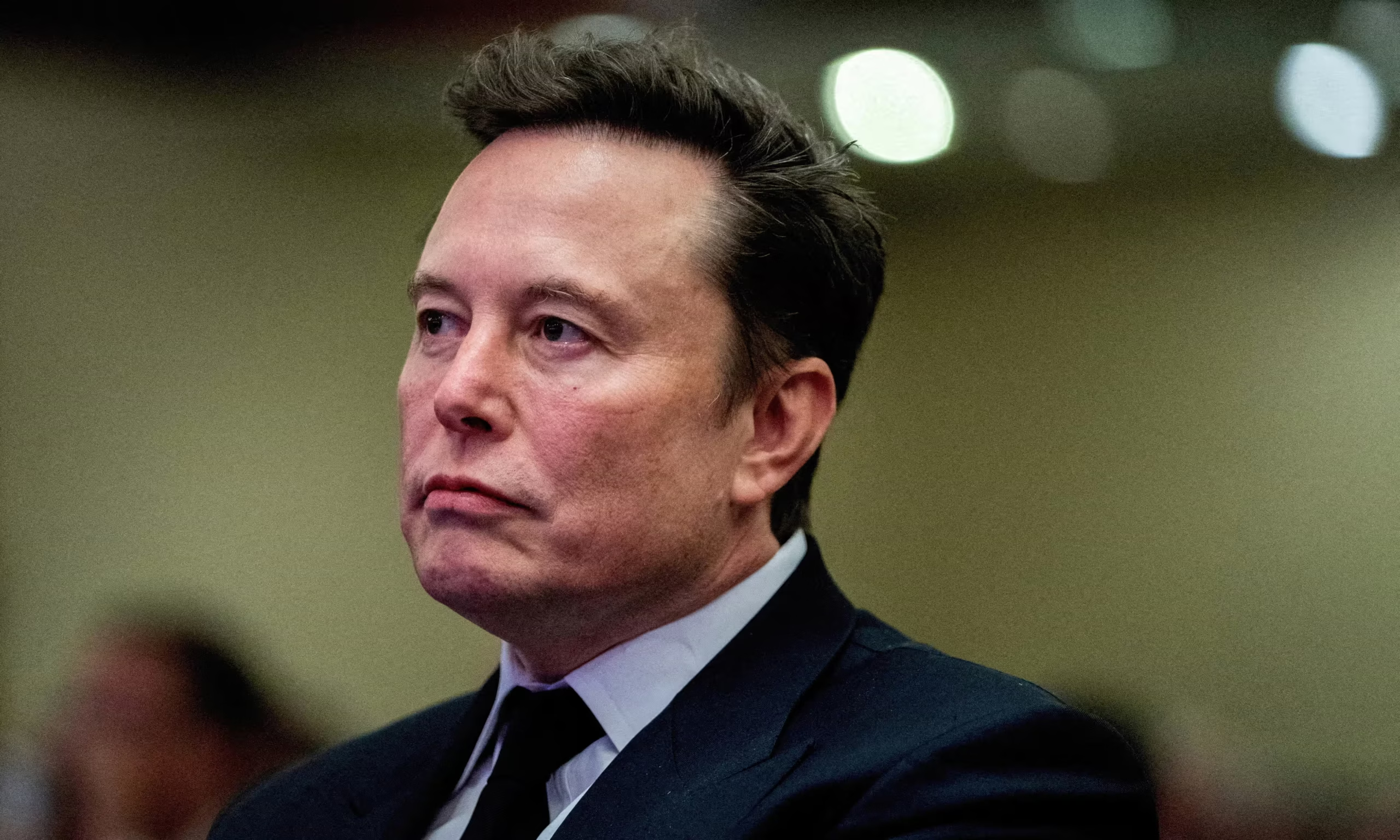
Germany’s political scene was recently stirred by comments from Elon Musk endorsing the far-right Alternative for Germany (AfD) party. Chancellor Olaf Scholz expressed deep concerns over Musk’s backing, highlighting the risks associated with promoting a party that has been monitored for extremist activities.
The endorsement from one of the world’s most prominent tech figures adds complexity to Germany’s ongoing struggle with the rise of far-right ideologies.
Elon Musk, the CEO of Tesla and SpaceX, has increasingly used his platform on X (formerly Twitter) to voice controversial opinions. His apparent support for the AfD came through a series of posts, amplifying the party’s narrative and calling attention to its policies.
The AfD has been gaining traction in Germany, especially in regions disillusioned with traditional political parties. However, the party is widely criticized for its far-right stance, Euroscepticism, and advocacy for policies that some view as undermining democratic values.
Chancellor Scholz’s Response
Chancellor Scholz publicly criticized Musk, emphasizing the danger of legitimizing a party with extremist leanings. The German leader’s primary concerns included:
- Threats to Democracy:
The AfD’s platform, which includes a hardline stance on immigration and skepticism toward the EU, poses challenges to Germany’s democratic values and unity within Europe. - International Influence:
Musk’s endorsement could bolster the AfD’s credibility on a global scale, attracting both domestic and international attention to their platform. - The Role of Social Media:
Scholz warned of the dangers of influential figures leveraging social media to promote divisive ideologies, potentially deepening political polarization.
The AfD’s Controversial History
The Alternative for Germany party has been under scrutiny since its founding in 2013. Initially focused on opposing the Eurozone and EU policies, the party has shifted toward far-right populism. Key concerns about the AfD include:
- Anti-Immigration Stance: Advocating for stricter immigration controls and opposing multiculturalism.
- Climate Change Denial: Rejecting Germany’s energy transition and international climate agreements.
- Extremist Ties: Reports of links to neo-Nazi groups and other far-right organizations.
In 2021, Germany’s domestic intelligence agency placed sections of the AfD under surveillance, citing concerns about anti-democratic activities.
Why Musk’s Support Matters
Musk’s global celebrity and influence cannot be understated. As one of the most-followed individuals on social media and the head of multiple industry-leading companies, his opinions often carry significant weight.
For the AfD, Musk’s endorsement could lead to:
- Increased Visibility: Musk’s vast following might draw international attention to the party’s agenda.
- Legitimization: An endorsement from a prominent figure could make the party seem more mainstream, especially among younger, tech-savvy voters.
- Electoral Boost: The AfD might capitalize on the publicity to gain traction in upcoming elections.
Musk’s actions underscore the growing influence of tech leaders in political discourse. The incident also raises questions about the responsibilities of influential figures in shaping democratic societies:
- Accountability on Social Media: Should global platforms regulate political endorsements to prevent the amplification of extremist ideologies?
- International Relations: How might such endorsements affect Germany’s image abroad, particularly in the EU and NATO?
The German government has signaled its commitment to countering extremist narratives and ensuring democratic resilience. This includes monitoring political endorsements and addressing misinformation on social media platforms.
Chancellor Scholz’s response reflects a broader challenge facing democracies worldwide: balancing freedom of speech with the need to safeguard democratic institutions.
Elon Musk’s endorsement of the AfD highlights the complexities of political discourse in the digital age. For Germany, it serves as a reminder of the persistent threat posed by far-right ideologies and the power of global influencers to shape public opinion.
As the nation navigates this controversy, the focus will remain on protecting democratic values while addressing the growing role of tech leaders in politics.


